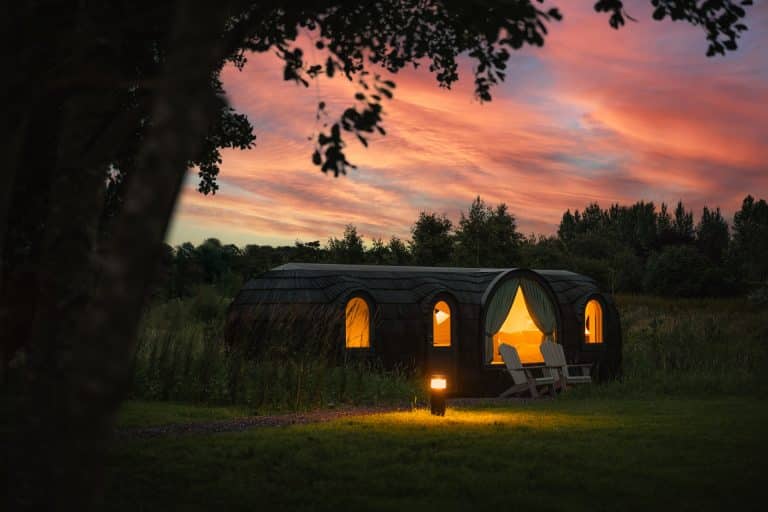
Great spa photography should do more than show off your facilities. It should sell the experience.
When someone looks at photographs of your spa, you want them to think, “Ooooo, let’s go there!” They should be able to imagine themselves relaxing in the hot tub, enjoying a treatment, spending time with friends or escaping for a romantic break.
In my experience photographing spas and luxury hotels, the most successful images aren’t necessarily the ones showing the most impressive facilities. They’re the ones that communicate how it feels to be there.
Spas are about luxury, restoration, renewal and, importantly, fun! Your photography needs to communicate that.
But achieving those results takes more than turning up with a camera. A successful professional spa photography session requires planning, preparation, teamwork and a clear understanding of what makes your spa special.
Here are my recommendations for getting the most from your next spa photography shoot, including some practical lessons I’ve learned along the way.
1. Start by Understanding What You’re Really Selling
Before thinking about lighting, models or which rooms to photograph, ask yourself a more fundamental question: what makes your spa worth visiting?
Every spa has its own unique selling points. Perhaps it’s your beautiful setting, seaweed baths overlooking the countryside, luxurious treatment rooms or outdoor hot tubs. Maybe it’s the perfect destination for a romantic couples’ getaway or a fun, relaxing day with friends.
These are the things your photography needs to communicate.
I always believe that the experience should be the hero of the photograph, with the spa facilities providing the backdrop.
Of course, prospective guests need to see your facilities. They want to know what the treatment rooms, relaxation spaces and thermal areas look like. But photographs of empty rooms alone rarely communicate the full experience.
Think about who you’re trying to attract and what would make those customers want to book.
- Are you targeting couples looking for a romantic spa escape?
- Are you promoting spa days for groups of friends?
- Do you want to showcase individual treatments and wellness experiences?
- Are your natural surroundings or outdoor facilities a major selling point?
- Do you have signature treatments or products that distinguish your spa from competitors?
The answers should influence your shot list, choice of models, styling and overall photographic approach.
Without that clarity, it’s easy to end up with a collection of attractive photographs that don’t really communicate why someone should choose your spa.
2. Create a Detailed Shot List and Mood Board
If there’s one practical piece of advice I would emphasise, it’s this: prepare a shot list and mood board, and review both with your photographer well before the shoot.
This is one of the most important factors in making a spa photography session successful.
A shot list ensures that nothing important is overlooked. It also helps everyone understand what needs to be photographed, which areas need to be available and when models or staff will be required.
What Should Your Spa Photography Shot List Include?
I recommend dividing your shot list into five main categories:
- Spaces: Treatment rooms, relaxation rooms, reception areas, changing facilities and other important interiors.
- Treatments: Signature therapies, massages, facials, seaweed baths and other experiences unique to your spa.
- Facilities: Saunas, steam rooms, thermal suites, pools, outdoor hot tubs and wellness areas.
- Promotions and packages: Couples’ getaways, spa breaks, girls’ spa days and other experiences you actively market.
- Products: Your own skincare ranges, retail products, treatment products and anything else you’d like to promote.
Once you’ve identified these, consider which shots require models, which can be photographed without people and which depend on natural light or particular weather conditions.
Use a Mood Board to Communicate the Atmosphere
A mood board is just as valuable as the shot list.
It helps communicate the feeling you want your photographs to create. Are you aiming for peaceful and restorative, romantic and intimate, bright and uplifting, or fun and sociable?
Ideally, your mood board should show examples of lighting, atmosphere, composition and the kind of interactions you’d like to capture.
Reviewing it with your photographer beforehand helps establish a shared creative vision and avoids misunderstandings on the day.
3. Protect Time and Space for the Photography
One of the biggest challenges I encounter when photographing spas is simply getting uninterrupted access to the spaces we need to photograph.
Spas are busy businesses. Treatments are booked, guests arrive throughout the day and certain facilities need to remain quiet and relaxing.
That’s perfectly understandable, but photography requires time and access.
Sometimes I find myself working around treatment schedules, which can disrupt the flow of the shoot. Occasionally, a last-minute booking takes a room or area that was planned for photography.
These interruptions might seem minor, but they can have a considerable impact on what we can achieve in the time available.
My recommendation is to block off specific times for photography and make sure the relevant staff know which spaces will be needed.
Where possible, avoid accepting new bookings for those areas during the agreed photography slots.
It’s also important to minimise disruption to guests. Nobody wants to encounter a photography crew when they’re expecting peace and tranquillity.
By planning access in advance, you can protect the guest experience while giving your photographer the opportunity to work efficiently.
4. Prepare Your Spaces to Look Their Absolute Best
There’s a difference between a treatment room being ready for a guest and being ready for professional photography.
For photography, I recommend going a little beyond your normal presentation standards.
Everything visible in the photograph contributes to the overall impression, so small details matter.
- Make sure treatment beds are perfectly presented, with fresh linen and neatly arranged towels.
- Remove unnecessary clutter, cables, bins and distracting items.
- Check that robes, slippers and accessories are neatly positioned.
- Prepare relaxation areas with carefully arranged cushions, throws and accessories.
- Use green plants where appropriate to add life and texture.
- Have candles ready, particularly candles in glass holders that can add atmosphere and attractive points of light.
- Check windows, mirrors, glass surfaces and other reflective areas for marks.
The aim isn’t to make the spa look artificial or over-styled. Quite the opposite.
I prefer photography that represents the genuine guest experience, just presented at its very best.
If styling becomes too elaborate, there’s a danger that the photographs begin to look like a fashion editorial rather than an inviting spa experience.
Authenticity is important. Guests should recognise the atmosphere and experience from your photographs when they arrive.
Have Food, Drinks and Products Ready When Needed
Another small but important detail is having everything prepared for the time it will be photographed.
If your spa experience includes fresh fruit platters, smoothies, herbal teas or other refreshments, make sure they’re ready at the appropriate point in the schedule.
Ideally, these should be freshly prepared so they look appealing in the photographs.
The same applies to branded products, treatment equipment and other accessories.
You don’t want your photographer and models standing around while someone organises a fruit plate that could have been prepared in advance.
5. Choose Models Who Can Sell the Experience
People can make an enormous difference to spa photography.
They help potential guests imagine themselves enjoying the experience rather than simply looking at an empty facility.
In my opinion, experienced professional models generally deliver the best results.
Professional models are accustomed to being photographed. They’re comfortable in front of the camera and, importantly for spa photography, comfortable being photographed in swimwear.
That experience makes a significant difference.
They know how to appear relaxed, create natural-looking interactions and communicate the right emotions. They can also deliver those serene expressions, looking into the distance or towards the camera, that work so well in luxury spa photography.
Why Not Use Your Own Staff?
Your staff may look fantastic and be wonderful people, but that doesn’t necessarily mean they’re comfortable being photographed, particularly in swimwear.
It’s worth asking whether you really want to put someone outside their comfort zone.
Professional modelling is a skill. Experienced models understand posing, body positioning, expressions and how to work with a photographer.
That expertise can make the shoot much more efficient and the resulting photographs more convincing.
Create a Relaxed, Fun Atmosphere
While professional models are valuable, I don’t want spa photographs to look overly posed or like a glossy fashion campaign.
I want them to feel real.
The atmosphere on the shoot plays a huge part in achieving that.
When the models, photographer, marketing team and spa staff are working well together and enjoying themselves, it shows in the photographs.
That relaxed, fun environment helps create authentic moments, whether it’s friends laughing together in a hot tub, a couple enjoying the surroundings or someone quietly relaxing after a treatment.
Those are the images that prospective guests can connect with.
6. Plan the Photography Around Lighting and Atmosphere
Lighting is one of the most important creative elements of spa photography, but there’s no single approach that works for every area.
The lighting should reflect the experience you’re trying to communicate.
Treatment Rooms: Soft, Warm and Atmospheric
For treatment rooms, I generally favour soft, atmospheric lighting.
Candles, table lamps and other gentle light sources can help create a feeling of warmth and relaxation.
Harsh lighting usually works against that atmosphere.
I like to retain some natural-looking shadow and depth rather than making every corner of the room equally bright. Those shadows help communicate the peaceful, intimate environment people associate with spa treatments.
Relaxation Rooms: Let the Surroundings Influence the Light
Relaxation rooms can benefit from a similar approach, but sometimes a brighter image is more appropriate.
For example, if a relaxation room overlooks a beautiful garden or natural landscape, that view may be one of the spa’s strongest selling points.
In that situation, I want the photographs to show the connection between the relaxing indoor space and the scenery outside.
The lighting and composition should support that.
Outdoor Spas: Consider Daylight, Twilight and Night Photography
Outdoor spa areas offer some wonderful photographic opportunities.
Hot tubs, for example, can look fantastic in daylight, but photographing them at twilight or after dark can create an entirely different atmosphere.
Evening photography is particularly effective for communicating romance and intimacy, making it ideal for couples’ spa packages.
Seaweed baths with beautiful views, on the other hand, are often best photographed during the day when the surrounding landscape can be appreciated.
If evening photography is important, consider scheduling a short session the evening before the main shoot. Alternatively, start the shoot later in the day and continue into twilight.
Most treatment rooms don’t rely heavily on natural daylight, so indoor photography can often be arranged around the outdoor schedule. Relaxation areas with large windows or attractive views may need more careful timing.
7. Think About the Order of the Shoot
The order in which you photograph different areas can have a surprisingly big impact on efficiency.
Start with the locations that have specific requirements, particularly outdoor areas that depend on daylight or weather.
Then consider where models are needed and plan their time accordingly.
Photograph Dry-Hair Scenes Before Wet-Hair Scenes
One practical detail that’s easily overlooked is what happens to models’ hair throughout the day.
If you’re photographing models in robes, relaxation rooms or dry treatment areas, it’s generally better to do those shots before they get into a pool or hot tub.
Once their hair is wet, returning to a dry-hair look can take considerable time.
It’s a simple scheduling decision that can save unnecessary delays and make the day run much more smoothly.
Have Staff Preparing the Next Location
Another useful approach is to have a few members of the spa team available throughout the day.
While we’re photographing one area, they can be preparing the next.
That might involve arranging towels, positioning products, setting up refreshments, checking lighting or making sure a treatment room is ready.
By the time we finish one set of photographs, the next area can be ready to go.
This kind of teamwork makes a noticeable difference to how much can be achieved.
8. Prepare Saunas, Steam Rooms and Wet Areas in Advance
Saunas and steam rooms present a particular challenge for photographers: heat and condensation.
Moving camera equipment into a hot, humid environment can cause condensation on lenses, making photography difficult until the glass clears.
It’s not usually a major problem, but it can slow down the shoot unnecessarily.
My advice is to switch off steam rooms and saunas sufficiently far in advance so they have time to cool down and the steam can clear.
This makes it much easier to photograph the spaces without repeatedly dealing with condensation.
Wet areas should also be checked for presentation, including water marks, untidy towels and anything that might distract from the finished photograph.
Again, a little preparation can save a lot of time.
9. Allow Time for a Walkthrough Before Photography Begins
One of the first things I like to do at the beginning of a spa photography session is walk through all the areas we’re planning to photograph.
Even when we’ve discussed everything in advance, this walkthrough is extremely valuable.
It gives me an opportunity to see how the spaces are looking on the day, identify anything that needs attention and work out where preparation is still required.
There may be furniture to move, details to tidy, accessories to arrange or areas that aren’t quite ready.
It’s far better to identify these issues at the beginning than to discover them when the models and camera are already in position.
The walkthrough also helps everyone understand the sequence of the day and which spaces need to be prepared next.
I recommend having the spa manager or marketing contact join the photographer for this initial review so decisions can be made quickly.
10. Be Prepared to Adapt: A Spa Photography Shoot at Ballygarry Estate
A good example of why preparation and flexibility matter is a memorable shoot I photographed at Ballygarry Estate in County Kerry.
The brief was to photograph a new outdoor spa area, including seaweed baths, a hot tub, relaxation spaces and the beautiful surroundings.
Unfortunately, when we started, it was raining!
And being Kerry, the weather wasn’t going to stay the same for very long!
Throughout the day, we experienced sunshine and showers, with conditions changing quickly.
For outdoor spa photography, that presents an obvious challenge. You want to capture beautiful outdoor experiences, but you can’t have your models sitting outside waiting for the rain to stop.
Fortunately, we’d planned the shoot beforehand and everyone involved was professional and well organised.
We were able to adapt the schedule as the weather changed, photographing indoor areas when it rained and moving outside whenever conditions allowed.
When the sun appeared, we could react quickly because the models, staff and locations were ready.
The preparation and cooperation of everyone involved meant we were able to make the most of the available opportunities and produce a great set of photographs despite the unpredictable weather.
It’s a perfect example of something I’ve learned over the years: good planning doesn’t mean everything will go according to plan. It means you’re prepared to adapt when things change.
You can see photographs from that session in my Ballygarry Estate outdoor spa photography portfolio.
11. Don’t Forget to Capture the Details and the Bigger Picture
When photographing a spa, I generally aim to create a collection of images that work together rather than simply photographing every room from every angle.
Most of the photographs should communicate atmosphere and experience.
I’ll also capture details that help tell the story, whether that’s carefully arranged towels, a treatment product, candlelight, refreshments or an attractive feature within the spa.
And, of course, it’s important to have some wider photographs that clearly show the layout and scale of the spaces.
For many areas, one or two good wide shots are enough, complemented by more atmospheric images and relevant details.
This creates a more engaging and versatile collection of photographs for your website, social media, advertising and promotional campaigns.
It’s about giving potential guests enough information to understand the facilities while also allowing them to imagine the experience.
12. Make the Most of Your Investment in Professional Spa Photography
Professional spa photography is an investment in how your business presents itself to prospective guests.
And the more thought you put into the preparation, the more value you’re likely to get from the shoot.
Before the photographer arrives, make sure you have:
- Identified your spa’s unique selling points and ideal customers.
- Created and agreed a detailed shot list and mood board.
- Blocked off the necessary spaces and informed relevant staff.
- Booked experienced professional models for the appropriate times.
- Planned the order of photography around weather, lighting and model requirements.
- Prepared treatment rooms and relaxation areas beyond normal guest-ready standards.
- Arranged refreshments, products and accessories in advance.
- Allowed saunas and steam rooms to cool before photography.
- Assigned staff to help with preparation and coordination throughout the day.
- Allowed time for an initial walkthrough and last-minute adjustments.
Most importantly, make sure everyone understands what the photographs are intended to achieve.
Final Thoughts: Sell the Feeling, Not Just the Facilities
The most successful spa photography starts with understanding what makes your spa unique, what experiences you offer and who you want to attract.
These should be the fundamental elements of your shoot plan.
On the day, the photographer’s role is about much more than operating a camera. It’s about directing the people, lighting, styling, composition and all the other elements necessary to bring your vision to life.
That’s where experience really matters.
With careful preparation, the right team and a clear creative direction, you can create photographs that do far more than document your facilities.
You can create images that make people imagine themselves there, enjoying the luxury, relaxation, restoration and fun your spa offers.
And ultimately, that’s what great spa photography should achieve: making someone look at your photographs and think, “Ooooo, let’s go there!”
If you’re planning new photography for your spa, hotel or wellness destination, Tadhg Nathan Photography would be delighted to discuss how we can capture the experience that makes your business special.